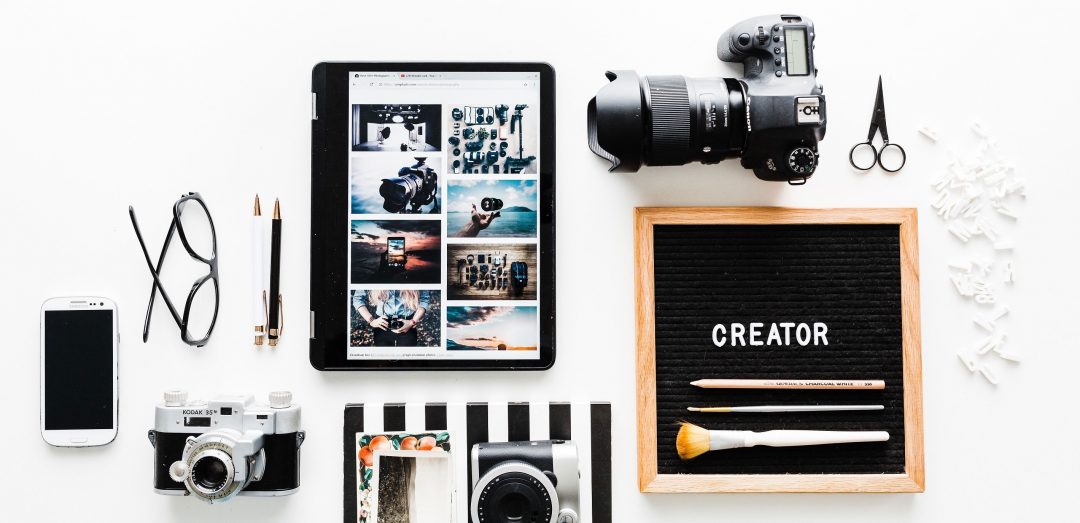
HOW TO START A PHOTOGRAPHY BUSINESS IN 2022 FOR BEGINNERS
Want to learn how to start a photography business in 2022? This in-depth guide will teach you all you need to know!
I’ve run a wedding photography business since 2019 and learnt a lot as a professional photographer and business owner.
Starting a photography business allows you to make money using a skill you already enjoy, but it’s important to have a solid plan and realistic goals.
There’s no doubt that photography is a great career – you can earn a good living, make your own hours and travel to exotic places.
Best of all, you’ll make people happy. Whether you’re capturing priceless moments for families or nailing the client’s brief, photos are a precious commodity.
Is photography a good career? Definitely! It was one of the best decisions I ever made.
Now it’s your turn to learn how to start a photography business

Understanding the “Small Business Owner” Mindset
99% of photographers never planned on having being a business owner. They maybe say themselves, at best, as a freelancer who got paid to do work.
Their confidence in their photography work is high, but they feel like they’re mediocre, at best, at business. If you’re like me, photography has always been an escape from academia. I’d rather express myself or tell a story with a camera than sit in a classroom.
Let’s face it, you don’t start a photography business because you want to own a business. You want to take pictures. Plain and simple.
Except when it’s not simple. At all.
There’s marketing, branding, pricing, packaging, confidence, and a ton of other tiny business aspects that soon become an equally important part of your business
The Cost to Start a Photography Business
The cost varies greatly as a photographer whether you’re starting out or looking to grow your existing business into something larger. Here’s we’ll cover the minimal costs for a beginning photographer or you can check out the costs associated with growing your photography business and taking your business to the next level.
The Minimum Viable Business (MVB)
I like to call this the MVB because it’s the size and scale necessary to cover the costs of your gear and other expenses (listed below) all the way up to your spaghetti number (the amount of money you need to survive if you ate spaghetti every night).
If you’re looking to grow your MVB into something larger and really go full time with it, check out our 2016 Guide to Growing Your Photography Business.
Don’t Stress the Gear
Okay. It’s tough love time. Get ready.
The gear doesn’t matter. You want me to tell you what gear to buy because, deep down in your subconscious, you think that if you have the gear the best photographers use, you’ll be as successful as them.
But don’t feel bad. We do this in almost every area of our life. Bookshelves full of unread books, closets full of unworn clothes and cupboards full of cooking gear we’ll never use. We got it because we wanted a shortcut.
New photographers think gear is a shortcut. It’s not. It’s just not.
If you’re starting out, get a Nikon D5100 or a Canon Rebel T3i.
If you’ve been around for a bit and already have one of those cameras, get a Nikon D750 or a Canon 70D.
More tough love coming: There’s no difference between Nikon and Canon. I’m not going to debate it. If you need *me* to pick one for you, are you really sure you’re going to be able to run a business if you can’t even decide between cameras? I’m being a bit harsh, but I want you to see it for what it is. You know I love you.
I got my first Nikon because my buddy had an awesome lens that I wanted to borrow. You should do the same, especially if you’re starting out. Get the same camera brand they have and mooch as much as you can to learn how to use new gear. BUT be willing to do the same for them.
You won’t be more successful if you choose one over the other, so it doesn’t matter.
Lenses are the same. Here’s what to get:
- Beginner: 50mm f/1.8 for Canon or a 50mm f/1.8 for your Nikon
- Advanced: Grab the 50mm above plus a 35mm and 85mm (Canon) or get a 35mm and 85mm for your Nikon.
One final time, gear is an excuse not to focus on what really matters: running a business successfully and telling amazing stories with your work.
What about all of the gear you “need” other than what I listed above? Here’s a helpful consolidated shopping list for you.
Done. Let’s move on
Serious Business is Serious (Yay Legal Stuff!)
You’re reading this because you want to start a business and part of that means being an adult (not that you aren’t, but you’ll get what I mean in a second). Being a freelance photographer with a DSLR who does weddings for $250 is dangerous. Here’s why:
You’re shooting a wedding and take a flash photo that catches a waiter off guard. He trips and falls, spilling hot coffee on the groom’s mother, who is burned by the drink.
Who’s to blame? She sues both you and the venue, but since you don’t have a legal entity, insurance, or anything to fall back on, you can lose your home and everything you (and your family) owns.
This is business. This is serious business.
We’ll cover exactly how these work together in a moment, but for the sake of looking at the expenses related to starting a photography business, we’ll list them here:
- Incorporating your business
- Accounting Services
- Invoicing Service
- Photography Business Insurance
- Photography Contracts
- Legal Fees – I always advise having an attorney look over your incorporation, insurance and contracts. We live in an extremely litigious society and you need to protect yourself and your family. Additionally, you need to be able to enforce contracts with other vendors and clients.
 The Tech Stuff
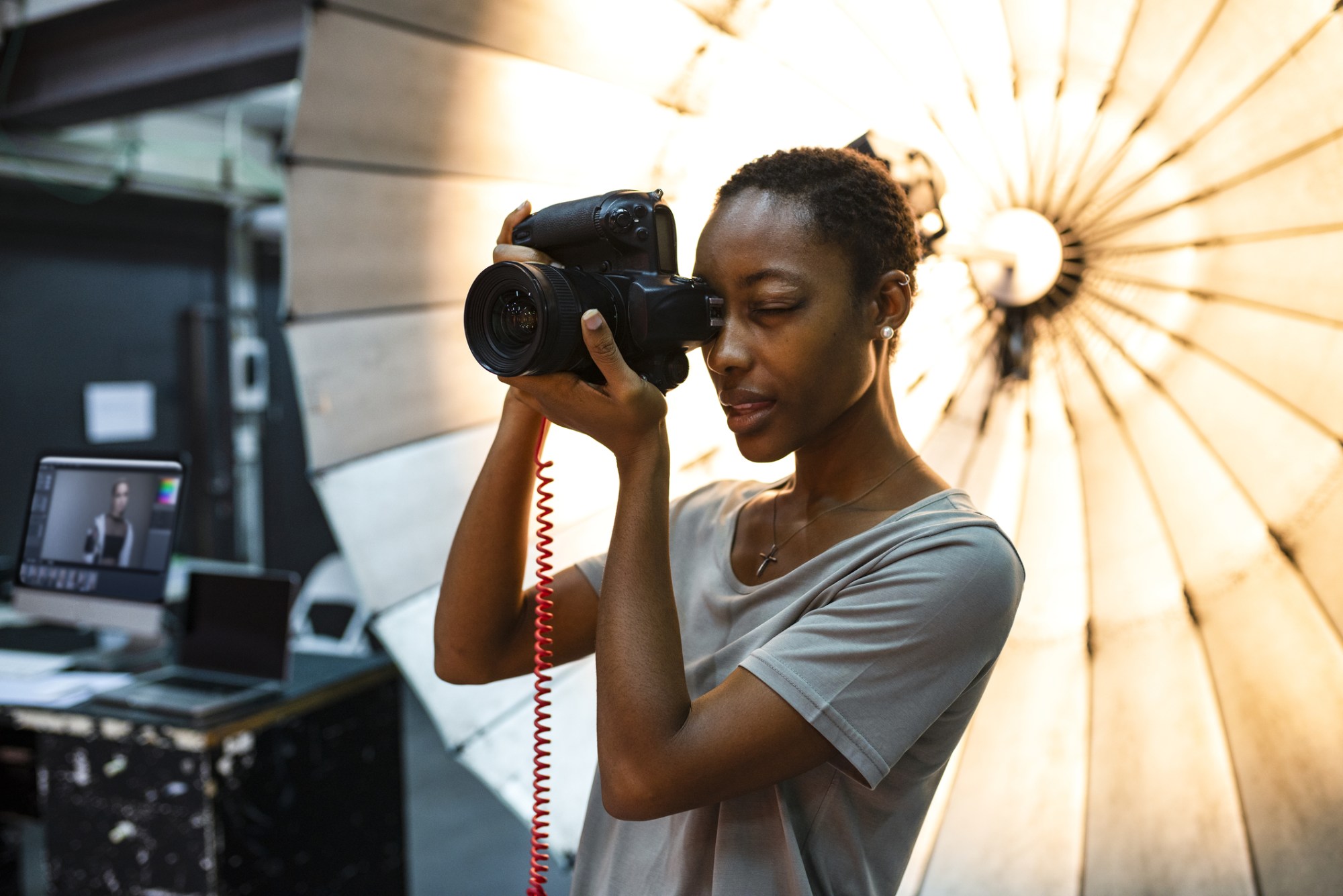
As I mentioned above under gear, tech stuff is often used as an excuse to procrastinate. Can you imagine if some of the greatest photographers in the world thought they couldn’t start their business until they got the latest imac or freaking lightroom?
I say that, starting out with your MVB, use whatever you have available. But as you start to grow, look into some better tech such as:
- 21″ iMac Computer
- 2 Backup Hard Drives
- Screen Calibrator
- Lightroom & Photoshop
Let’s talk briefly about websites. As a photographer, you’re in the client services business. This means that potential clients will judge your photography based on the quality of your website. If you’re doing SEO, content marketing and social media correctly, one of the first major touch points a potential client will have with you is your website.
In addition to having a beautiful site (Zenfolio or Smugmug are also options), it has to have great on-page SEO options so I tend to lean towards WordPress versus any other themes.
- Theme: Choose from one of the portfolio or Photography themes on Theme Forest
- Hosting: Bluehost if you’re at MVB and Siteground if you’re more advanced.
Business Education (This is the most important part)
You’ve likely paid for a course on improving how you use your camera or how you use photo editing software. Your skills as a photographer are the most important part to getting started, but once you start a photography business, the game changes fast. If you want to keep getting paid what your worth for the skills you put so much of yourself into, you need to learn business.
If you’re at MVB, I’d highly recommend our free 7 day course that will change how you think about running a photography business. Start making your business work for you instead of the other way around.
If you’re more advanced, I’d recommend becoming a member of The Photo MBA. Taking amazing photos isn’t the reason that most photography businesses fail (or never get off the ground). It’s all of the other stuff like marketing, clients, and sales. Learn all of it from somebody who learned it in the trenches. (Coming Soon)
How to Start a Photography Business “Legally”
I have a secret to share.
There’s a part of “business” that even I, the “photography business guy” hate.
I’ll be honest with you. I love wheeling and dealing, hustling, writing, and even the idea of “How to Start a Photography Business” has me pumped up enough to write about 3,000 words on it.
I L-O-V-E the business side of photography business. But the legal stuff? Not so much.
No thank you, taxes.
No thank you, LLC or S-CORP.
No thank you, accounting.
Yuck.
Can’t I just spend my time making more money?
Unfortunately, even I have to be an adult and do the hard work that makes a business run successfully.
And despite what the internet wants us to believe, there’s more to starting a business than creating it’s Facebook page.
You Need Structure to Function
You need *a* structure, more specifically. Here’s 3 great options:
Sole Proprietor – This is the easiest but it also leaves you the most vulnerable. If for some reason you’re ever sued, they can go after all of your personal assets. Your home, vehicles, and even your collection of Cal Ripken Jr. baseball cards (no? That last one is just me, then.). If you care about yourself, your future, and want to be a professional, this isn’t right for you.
Limited Liability Corporation (LLC) – Ah, now we’re talking. An LLC separates your liability for business and personal holdings. There is some paperwork to file in your state, but if I remember correctly from when I started my LLC, you can do it online in most states. The name of your photography business LLC doesn’t matter at all, just don’t make it ridiculous in case it has to go on paperwork in the future.
